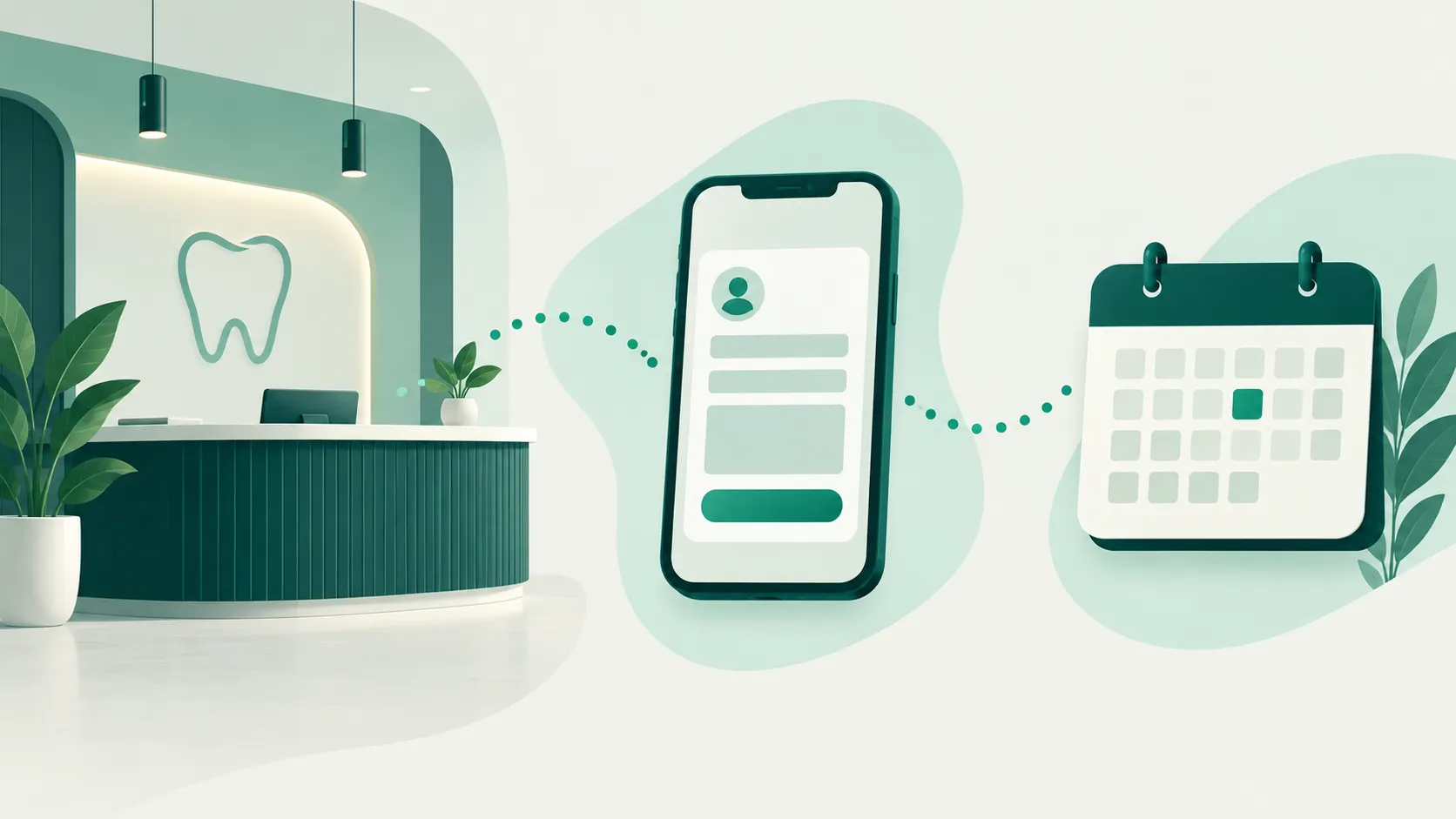
Dental lead generation needs two things working together: advertising that accurately explains the service, and a follow-up system that turns suitable enquiries into consultations. Before-and-after images are not subject to a blanket Ahpra ban. The rules depend on the procedure and how the advertising is presented.
Leadtree has no dental clients but works daily in regulated industries (law, finance, debt). This guide applies that acquisition and follow-up experience to dental marketing; it does not report dental client results. GBP and local SEO are covered in our dental SEO guide. This piece covers paid channels and the lead system.
Which Ahpra Advertising Rules Apply?
Ahpra's general advertising guidelines apply to advertising regulated health services. Clinical testimonials were already prohibited under that framework; this was not a new ban introduced in September 2025.
On 2 September 2025, additional guidelines took effect for advertising higher risk non-surgical cosmetic procedures. Dental veneers are an explicit example. Do not assume every implant, bonding or aligner service has the same classification: check the procedure and purpose against the applicable guidance.
Images, reviews and influencers
- Before-and-after images: the higher risk cosmetic advertising guidelines allow them subject to conditions. Images must show actual patients treated by the advertising practitioner, use comparable conditions and avoid editing or enhancement. The after image must not dominate; state when it was taken and include the required warning about individual outcomes. Do not use images of under-18s.
- Consent: obtain and document permission for advertising use separately from treatment consent, following the practitioner guidelines.
- Reviews: positive comments about clinical aspects cannot be used as advertising testimonials. Comments solely about customer service are treated differently. Moving a clinical quote to a different platform does not make it acceptable advertising.
- Influencers: Ahpra's FAQ does not impose a blanket influencer ban. Clinical testimonials remain prohibited, and practitioners must not provide free or discounted cosmetic procedures in exchange for promotion.
Practical creative choices
Start with factual practitioner details, clear costs, suitability, process, risks and recovery. For higher risk cosmetic procedures, social ads that cannot carry full risk information should direct people to it. These are starting points for creative review, not pre-approved ads.
Lead Problem or Conversion Problem? Run the Diagnostic First
Before increasing spend, check whether the bottleneck is attracting suitable enquiries or converting them into consultations. The fix depends on where people drop out.
1. Channel hygiene
Pull the Google search terms report. Check whether terms such as “dentist near me” are matching searches for services you do not offer. On Meta, review the creative, service-area settings and qualifying questions together.
2. CRM and speed-to-lead
Pull the last 90 days of leads and answer four questions:
- Average time to call back?
- How many leads were never called?
- How many got a follow-up text or email after attempt one?
- How many converted, and within what window?
Compare contact and consultation rates across your own response-time groups. Account for the channel, service and time of day before attributing differences to response speed.
3. Follow-up and nurture
Map “lead submits” to “patient sits in chair.” Record each contact attempt and where the enquiry stops progressing. Plan useful follow-up around the enquiry, the person’s preferences and the consent required for marketing messages.
If those checks reveal gaps, fix the handover and measurement before raising budgets.
What Still Works on Each Channel
Google Ads for Australian dental practices
Use local keyword forecasts and your own account data to estimate dental search costs. Track cost per suitable enquiry and attended consultation, then connect those measures to treatment outcomes.
Allocate media around clinical capacity, service demand and the economics of completed treatment. Review the split using actual consultation and treatment data.
Three principles for 2026:
- Review AI-generated assets and automated campaign settings against the applicable advertising rules. Check the live ads as well as the initial setup; automation does not remove the advertiser’s responsibility.
- Check Google’s healthcare and medicines policy alongside local advertising rules. Certification depends on the service and location; do not assume implants or aligners require a separate Google healthcare certificate.
- Review search terms regularly and after material campaign changes. Automated matching can surface queries you did not select explicitly.
Meta after Andromeda
Meta creative needs the same careful regulatory review as other advertising. Test meaningfully different concepts and use the account’s results to decide which to develop further.
Two dental-specific points:
- Compare the available lead-generation setups using cost per suitable enquiry and attended consultation. Qualifying questions can help intake assess service fit, but do not replace clinical assessment.
- Test dentist-to-camera explanations and practice tours against your existing creative. A patient describing why they sought a higher risk cosmetic procedure can still be giving a prohibited clinical testimonial, even without outcome imagery. Have the finished ad reviewed before launch.
Do not treat an overseas dental CPL benchmark converted into Australian dollars as a local forecast. Establish a baseline from your own campaign and the practice’s definition of a suitable enquiry.
The practical move is a lead form with questions the intake team actually uses: service requested, location and preferred contact time. Have the practice approve any screening rules, and keep clinical suitability decisions with the practitioner.
GBP and reviews as part of the lead system
Measure calls and bookings from your Google Business Profile alongside website enquiries. The full setup is covered in our dental SEO guide. Request genuine reviews consistently and respond without disclosing patient information.
If you use booking or review directories such as Healthengine or WhatClinic, assess the fees, enquiry quality and attended bookings in your own practice. A directory’s promotional figures are not a forecast of your results.
Review profiles can help prospective patients assess a practice. Keep review collection separate from using clinical testimonials in advertising, and follow Ahpra’s guidance on reviews when moderating or sharing them.
Eight Creative Angles to Test
These eight angles are ideas to test. The wording, images, evidence and procedure determine whether the finished ad meets the applicable rules.
| # | Angle | What to check | Example tagline |
|---|---|---|---|
| 1 | Price transparency | Explain what the price includes and any conditions. Avoid a misleading starting price. | "Four porcelain veneers from $X,XXX. Full breakdown of what's included." |
| 2 | Education-led | Positions practice as information, not pitch. Strong top-of-funnel. | "Considering four veneers? Here's what the process actually involves." |
| 3 | Candidacy and suitability | Explain assessment and suitability without promising that an enquiry qualifies someone for treatment. | "Four veneers aren't always the answer. When it is, and when it isn't." |
| 4 | Process and craftsmanship | Shows expertise without outcome promises. Strong for video and lab footage. | "How four porcelain veneers are made, from impression to fit." |
| 5 | Risk and longevity | Explain the relevant risks and recovery. A risk statement alone does not make the whole ad compliant. | "Considering veneers? Ask about tooth preparation, risks and future maintenance." |
| 6 | Practitioner credentialing | Factual descriptors (years, AHPRA reg, scope). Avoid "cosmetic dentistry specialist" (no recognised specialty). | "Dr [Name], [AHPRA reg #]. [X] years in restorative and cosmetic dentistry." |
| 7 | Consultation as product | Invite an assessment without implying Ahpra endorses the offer. State any consultation fee and conditions clearly. | "Book a veneer suitability consultation. No-obligation written treatment plan." |
| 8 | Comparison and decision framework | Strong given the Turkey/Thailand veneer trend. Stay factual, no fear. | "Questions to ask about treatment costs, follow-up care and complications." |
Lead Magnet Ideas to Assess
Choose an offer that helps a prospective patient make an informed decision. Four formats to consider:
- A clearly scoped second-opinion consultation for someone with an existing treatment plan, with fees and conditions explained.
- A consultation preparation guide explaining the assessment process and what information to bring. A short marketing qualification call is not a substitute for a clinical assessment or treatment plan.
- A plain-language explanation of fees and accepted payment methods. The cosmetic practitioner guidelines distinguish informing people of payment methods from promoting financing schemes; do not use loan pre-qualification as a cosmetic-treatment lead magnet.
- A plain-language guide to questions about treatment options, risks, maintenance and likely costs, reviewed by the practitioner.
Review discount-led offers against the practice’s actual attendance, retention and treatment data. Explain conditions clearly, and avoid inducements that encourage unnecessary treatment.
Response Time and Useful Follow-Up
Once the lead is in, a clear handover matters. Set an achievable callback target during staffed hours and an acknowledgement that explains when the practice will respond outside those hours.
Follow-up should answer the person’s questions about assessment, fees and the process. Agree the timing with the practice, keep it proportionate to the enquiry, and stop marketing messages when consent is withdrawn.
Pull one CRM lead at random and trace its path. If the answer is "one call and a voicemail," you're running a missed-opportunity sequence.
Budget and Service Priorities
There is no universal media budget that produces meaningful results for every practice. Estimate local click costs, agree an affordable test budget and decide in advance which consultation and treatment measures will guide the next allocation.
Build campaigns around the service and the questions people actually ask. Use the practice’s enquiry data to inform creative instead of assuming fixed age or gender profiles. Check age restrictions for the procedure and platform before launch.
What We'd Push Back On
Review these features carefully before launch:
- Claims of improved confidence, life changes or perfect results that overstate the evidence.
- Language or imagery that trivialises a higher risk cosmetic procedure.
- Time pressure or inducements that encourage unnecessary treatment.
- Before-and-after images that fail the image requirements above.
- Patient quotes about clinical aspects, even if anonymised.
- Titles that imply a recognised specialty the practitioner does not hold. Cosmetic dentistry is not a recognised dental specialty.
Ahpra's visual examples show how wording and imagery can create misleading impressions.
The bigger pushback: price should not do all the work. Clear explanations of practitioner expertise, assessment, risks and costs give people more information to make a decision. A dentist-to-camera explanation is one format to test, not a requirement for success.
An Illustrative 90-Day Implementation Plan
| Phase | Weeks | Key actions |
|---|---|---|
| 1. Audit and foundation | 1 to 4 | Audit search terms, creative and form questions. Review available CRM data: response times, follow-up and lead-to-consultation conversion. Set up call and conversion tracking. Check the Google Business Profile and establish a consistent process for genuine reviews. |
| 2. Meta lead-gen launch | 5 to 8 | Test a manageable set of distinct, reviewed creative concepts across education, candidacy and process. Build the form around approved intake criteria. Set staffed-hours response targets and a clear after-hours acknowledgement. |
| 3. Google + nurture | 9 to 12 | Test relevant search terms with negatives and ad-copy review. Allocate budget using capacity and actual outcomes. Introduce consent-based follow-up that answers common questions and review where enquiries stop progressing. |
This is an illustrative work schedule, not a performance forecast. At the review point, assess cost per qualified lead, lead-to-consultation and consult-to-treatment outcomes. Some treatment cohorts will need longer to mature before revenue per lead is meaningful.
The practical aim is a clear explanation of the service, a lead form that screens for the practice’s service fit, and a follow-up sequence that answers questions. Review the complete advertising and patient journey against the rules that apply to the procedure.
Reviewing your dental advertising and wanting an outside read on whether acquisition or conversion is your bottleneck? Happy to take a look.
Leadtree's dental marketing services bring these acquisition and conversion strategies together for your practice. The principle transfer is direct: lead-form qualification with logic-jump branching, broad-targeting Meta built on creative diversity and a CRM-side conversion system that respects how people compare practices.
Book a 30-minute call, and we'll walk through the first 90 days for your practice. https://www.leadtree.agency/product/book-call